Samsung Washer Error Codes Explained
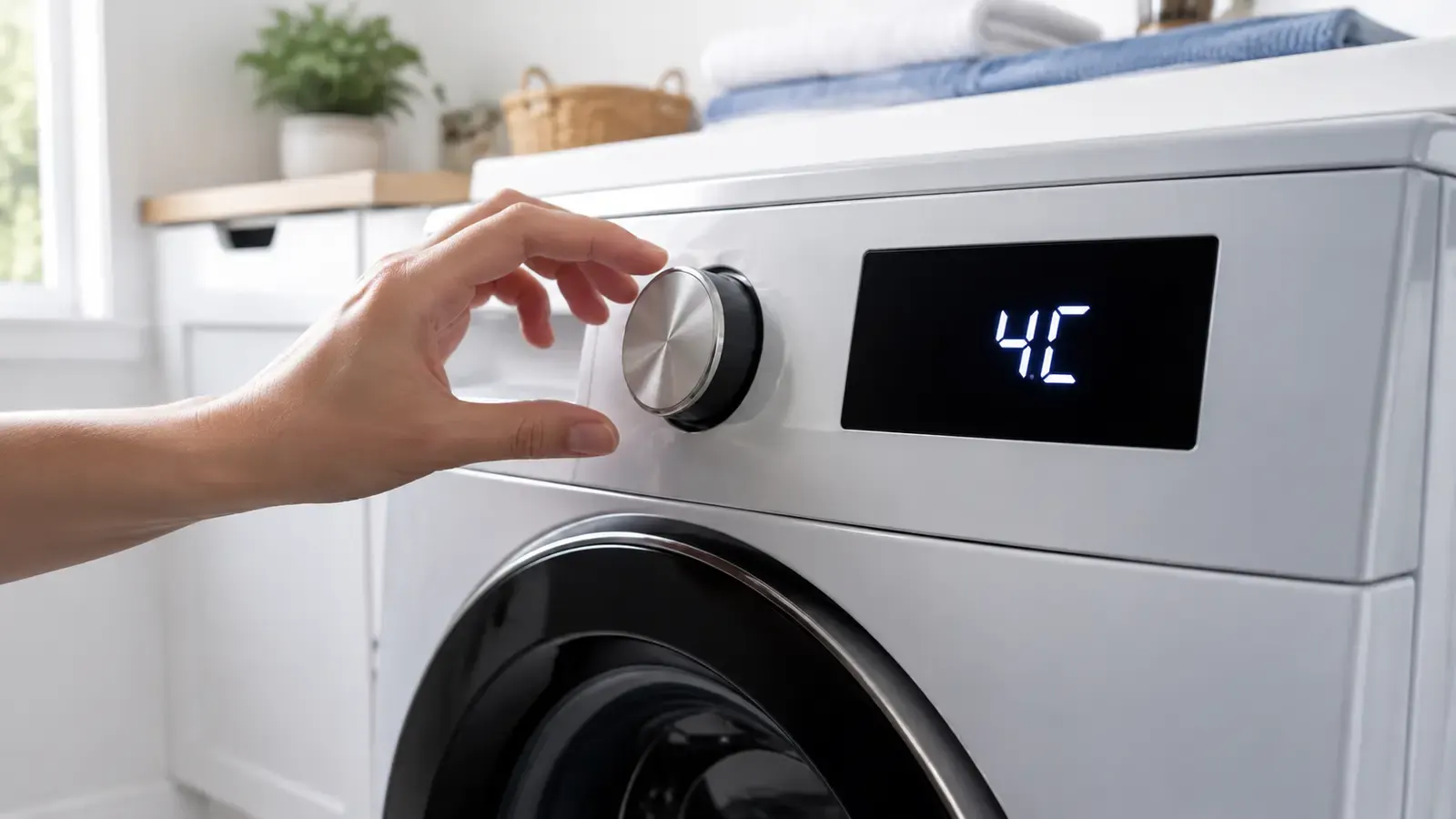
Samsung washers report faults in a two-character code, and most of them are about water — either it is not coming in, or it is not going out. That is genuinely good news, because water problems are the ones you are most likely to solve yourself in the ten minutes before you call anybody.
We attend these machines across Toronto and the GTA every week, and a meaningful share of the calls we take end on the phone rather than at your door. This page is what we would tell you on that call.
Start here: the two-minute checks
Before looking anything up, three checks resolve a surprising proportion of Samsung codes:
- Are both taps fully open? Hot and cold. A half-closed tap gives a fill code even though water is technically arriving.
- Is the drain filter clear? Small door at the bottom front. Put a towel down, open it, clean it out, refit it firmly.
- Is the load balanced? Redistribute it by hand. A bunched load on one side of the drum triggers codes that look mechanical.
If none of those apply, find your code below.
Water supply codes
4C or 4E — no water entering
The machine is not getting water in the time it expects. This is the most common Samsung code we are called about, and it is very often not the machine.
Check, in this order: both taps fully open, hoses not kinked behind the unit, and the small mesh inlet screens where the hoses meet the machine. Those screens catch sediment and clog gradually, which is why the fault appears on a machine that has worked fine for years.
If everything is clear and the code persists, the inlet valve has failed. That is a modest part and a straightforward repair.
4C2 — hot water connected to the cold inlet
Exactly what it says. It appears after an installation or a move, when the hoses have been reversed. Swap them back.
1C or 1E — water level sensor fault
The pressure sensor that tells the machine how full the drum is has gone out of range. Not something you can clear — the sensor or its hose needs checking.
Drainage codes
5C or 5E — not draining
The second most common code we see. The debris filter is the first suspect and the reason we talk so many owners through this on the phone.
Behind the small access door at the bottom front you will find a filter cap and, usually, a short drain hose. Drain the water into a shallow tray first, then unscrew the filter and clear it. Coins, hairpins, buttons and lint are the usual haul.
If the code returns with a clean filter, the drain pump is blocked or has failed. A pump that hums without moving water has usually caught something in the impeller.
5C is not the same as SC
Some machines display Sc or SUD, which means excessive suds rather than a drain fault. Too much detergent, or non-HE detergent in an HE machine. Run a rinse cycle and use less next time.
Door and balance codes
dC or DC — door not closed
The machine cannot confirm the door is latched. Open and close it firmly. If laundry is caught in the seal, that alone will do it.
Persistent dC on a properly closed door means the lock assembly has failed — an inexpensive part with quick labour, and one of the cheaper Samsung repairs there is.
UE or UB — unbalanced load
The drum could not distribute the load evenly, so the machine refused to spin at full speed rather than damaging itself.
Redistribute by hand. Single heavy items — a bath mat, one pair of jeans — are the usual cause, because there is nothing to balance against. Also check the machine is level: adjustable feet, a spirit level, five minutes.
dE, dE1, dE2 — door lock errors
Variants on the same theme. If reseating the door does not clear them, the lock or its wiring is at fault.
Water level and heating codes
OE or OF — overfilling
Water is above the maximum level. The machine will try to drain it automatically. If it recurs, either the inlet valve is not closing fully or the pressure sensor is misreading — both need testing.
Do not keep running the machine on this code. An overfilling washer is one leak away from a floor problem.
LC, LE, LC1 — leak detected
The base sensor has found water where it should not be. Stop using the machine. This is the one Samsung code we treat as urgent, particularly in a condo, where the water reaches your neighbour’s ceiling before it reaches your attention.
HE, HE1, HE2 — heater fault
The water is not reaching temperature. The heating element or its thermostat has failed. The machine will often still wash on cold cycles, which tempts people to live with it — but a failed element can trip a breaker as it degrades further.
Motor and drive codes
3E, 3E1, 3E2, 3E3, 3E4 — motor fault
The motor or its hall sensor is not behaving. On these machines, as on LG direct-drive units, the sensor fails more often than the motor it reports on. That distinction matters financially — it is the difference between a modest part and a major one — so insist on the sensor being tested before anyone quotes a motor.
bE, 8E — motor or button fault
Depending on generation, either a stuck button on the panel or a motor circuit issue. Try cleaning the panel and power-cycling first.
Which codes you can clear yourself
| Code | Meaning | Try yourself first |
|---|---|---|
| 4C / 4E | No water in | ✅ Taps, hoses, inlet screens |
| 5C / 5E | Not draining | ✅ Debris filter |
| dC | Door not closed | ✅ Reseat the door |
| UE / UB | Unbalanced | ✅ Redistribute, check levelling |
| Sc / SUD | Too much foam | ✅ Rinse cycle, less detergent |
| 4C2 | Hoses reversed | ✅ Swap the hoses |
| OE / OF | Overfilling | ❌ Call — valve or sensor |
| LC / LE | Leak detected | ❌ Stop using it, call |
| HE | Heater fault | ❌ Call |
| 3E | Motor or sensor | ❌ Call — insist the sensor is tested |
| 1C / 1E | Level sensor | ❌ Call |
The ice maker aside
If you own a Samsung washer you may well own a Samsung fridge, and the fault we see most across the whole GTA is the French-door ice maker freezing over. It is not a washer issue, but it is worth knowing: thawing it out buys about six weeks unless the seal and defrost path are addressed. Our Samsung appliance repair page covers it properly.
When to call a pro
Call us when the code involves leaking, heating, the motor or a sensor, or when it returns after you have done the checks above. Those faults need components tested rather than cleared, and guessing at them gets expensive quickly.
What we would rather you did first is the ten minutes of checking on this page. It genuinely resolves a good share of the calls we get — and telling you that costs us a booking, which is roughly the point.
When to call a pro
If the checks above did not solve it, or the fault involves sealed refrigeration, mains wiring or a control board, that is our line. The service call is $120 plus HST, you approve a written quote before any work, and the repair carries a 60-day parts & labour warranty.
About the authors
Fast Appliance Repair Pro has been repairing residential appliances across Toronto and the GTA since 2013 — 4,530+ completed jobs. Everything in this guide comes from work orders, not from a content brief.
About our teamQuick answers
Can I reset a Samsung washer error code?
Unplug the machine for five minutes, then restore power. That clears codes caused by a one-off glitch. If the same code returns on the next cycle, it is reporting a real condition and resetting again will not help.
Which Samsung codes mean I need a technician?
LC or LE (leak detected), OE (overfill), 3E (motor), HE (heater) and any code that returns after you have checked taps, filters and the load. Those involve components that need testing rather than clearing.
Why does my Samsung show a different code than the manual lists?
Samsung uses two conventions across generations — 4C and 4E mean the same thing, as do 5C and 5E. Newer machines use the C form. If your code is not listed, check the equivalent letter version.